Last updated on July 22nd, 2026
Visit Switzerland – Plan Your Trip
Best Time of Year to Visit Switzerland
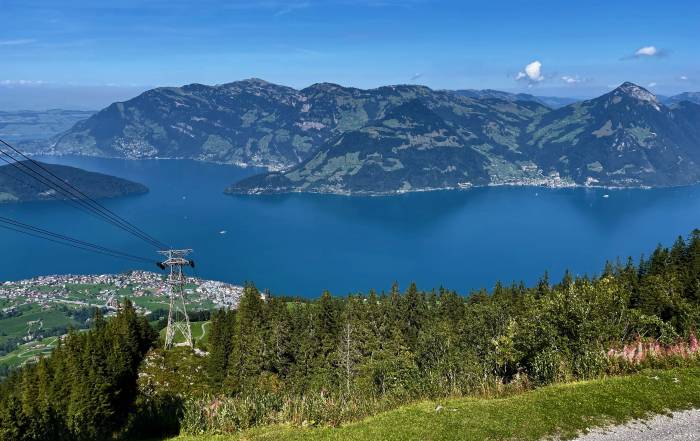
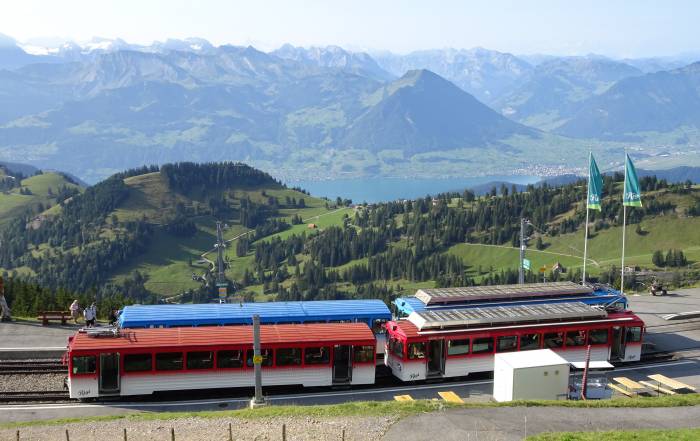
Its high alpine geography gives Switzerland two distinct seasons for tourists. The short summer months provide excellent weather for hiking and viewing landscapes from gondolas and cog trains. Summer is the time when international tourists flock to the most popular locations like Lucerne and Interlaken. The shoulder seasons in late May and late August will still have those typical green Swiss pastures and reduced tourism, making these months a great time to visit Switzerland.
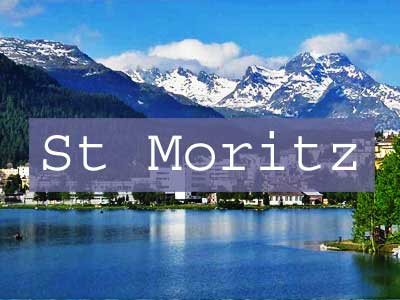
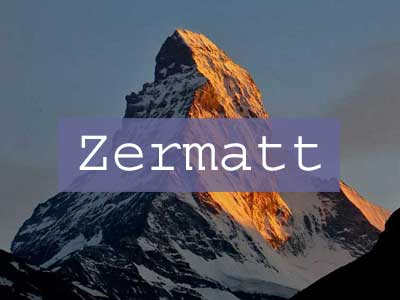
Skiing in the Alps is extremely popular in winter. Avoid Christmas for skiing, as the line ups will be quite long. February is likely the best month for snow and clear skies. Plus many cities celebrate a Swiss version of Mardi Gras, like the Carnival of Basel. Every city and village in Switzerland will be close to its own ski lifts, but the ones with larger series of connected skis runs draw the most people. Consider skiing at Zermatt, St Moritz, Saas-Fee, Verbier or Portes du Soleil, but no matter where you stay in the Swiss Alps you will have great options for skiing in winter.
Switzerland – Visa Requirements
Switzerland participates in the Schengen Zone and Schengen Visa requirements. There are no border inspections by rail or vehicle when traveling from Switzerland to Germany, France, Italy, Austria or Liechtenstein. Some countries that are not members of the Schengen Zone require a Schengen Visa to enter Europe. Exemptions include citizens of Australia, Canada, Mexico, Japan, New Zealand, the United Kingdom and the United States. Check your specific country at VisaHQ. For a list of exempt countries, visit Project Visa.
Visit Switzerland - Getting There
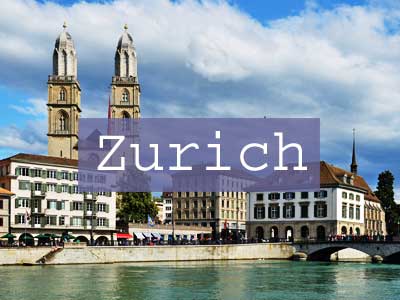
By air, the most popular arrival point for Switzerland is Zurich, as there are many international connections. The other two popular airports are Basel EuroAirPort and Geneva, which are both frequently serviced by EasyJet. EasyJet's main connection to Switzerland is through Gatwick Airport in London. By train, the main connection points are Zurich and Geneva. The Gottard Base Tunnel through the Alps makes it quick and easy to reach cities in Switzerland from Milan, Italy.
Visit Switzerland - Swiss Travel Pass
If you plan to visit Switzerland, consider a Swiss Travel Pass in combination with a Eurail Pass. The big advantage of the Swiss Travel Pass is that it includes unlimited trains, trams, buses, cruise boats, hundreds of museum admissions and half off on most gondolas in Switzerland. The pass includes panorama trains like the Glacier Express and the full price up the Stanserhorn, Stoos and Rigi. The Swiss Railway SBB Mobile App is great for planning trips and sending travel tickets to your wallet, but you can't book travel passes on it. To buy Swiss Travel Passes, you need to use a computer based website instead.
Buying Your Swiss Travel Pass
Visitors to Switzerland can buy the Swiss Travel Pass, the Swiss Travel Pass Flex or the Swiss Half Fare Card. You need to see the word Swiss in the title. If you are looking at a GA TravelCard or a Half Fare TravelCard you are in the wrong place, as that is ticketing for people who live in Switzerland. Be very careful to purchase the correct half fare card, as Swiss residents pay substantially more than tourists for this product. The Swiss Half Fare Card is purchased for a month starting on a date you select and entitles you to a 50% on all trains, buses, ships and most gondolas. So, you have to do some extensive planning to determine if it's worth it.
Ready to buy a Swiss Travel Pass ? One option is to head to swissrailways.com which is an official SBB site for these passes. You can also buy Swiss Travel Passes directly on the SBB web site (not the app), where they sell the regular or flex travel passes as well as the Swiss Half Fare Card. We recommend the SBB web site, because they have detailed instructions on how to integrate with SwissPass.ch so that your passes will show in the SBB app. This is especially useful for those buying the Swiss Half Fare Card as you can buy the rest of your train tickets in the SBB app with your personal information and payment information pre-filled. That way you don't have to buy as a guest each time. The swissrailways.com option sends you an email with a bar code that you use to scan the ticket into your phone wallet instead. Either option works fine, but the SBB site makes things a bit easier after you've done the initial set up.
SwissPass.ch & Swiss Half Fare Card
The SwissPass.ch website is where your identity for train travel in Switzerland is stored. Although it's mainly for Swiss residents, tourists can benefit from using it too, especially if you are buying a Swiss Half Fare Card. By creating an account, you won't need to buy tickets as a Guest on the SBB App. Your name, phone number, email address and names of co-passengers are stored on the SwissPass.ch site and integrated into the SBB site. This becomes your official identify for all your train travel. When you login on the SBB app, your personal information is uploaded into the app and you can buy tickets much more easily. When you buy your ticket in the SBB app, make sure that you select a Half Fare discount, if applicable. On your ticket purchase on the SBB App, you won't see the name Swiss in front of the words Half Fare, but don't worry. It's the right selection for anyone who has a valid Swiss Half Fare Card. See above for how to buy a Swiss Travel Pass. The three approved mobile apps for displaying your Swiss Travel Pass are BLS Mobile App, SBB Mobile App and Public Transport Plus (öV Plus).
SBB Mobile App
The SBB Mobile App is amazing for easy trip planning. From anywhere in Switzerland, it can show you the entire schedule to any other destination. Yes, it will instantly schedule an entire journey that figures out the timing for you to catch all the trains, buses, boats and gondolas to any destination you choose in the entire country. Plus you can make seat reservations and pay for the entire trip no matter where you are. In the SBB App, it's best if you login instead of remaining a guest. The login is actually completed through an automatic link in the app to your SwissPass.ch account. This sycns the SBB app to any Swiss Travel Pass, including any Swiss Half Fare Passes. After you have logged in, go to the Profile section of the SBB App to ensure you have set up a credit card or mobile pay set up with SBB. Buy a ticket or upgrade a travel pass journey to first class while you are standing on the rail platform or at the boat pier. Amazing!
Swiss Rail Train Station Lockers
Swiss Rail Train Station Lockers can be found at almost every rail station in Switzerland. Smaller stations will only take cash, but you can get change at the station during the day. You will usually find a bank machine at the station too. Search the SBB website for "lockers" to find requirements for every station.
For larger stations, credit cards will work. The system at larger stations is quite high tech. After inserting your credit card and the locker number, the system will lock the door and give you a paper bar code. When you return, you scan the bar code and your door pops open. Too cool!
The availability of Swiss Rail train station lockers provides you will the opportunity to stop and visit places while you have your luggage. Switching your accommodation from Lucerne to Interlaken? Stop along the way in Brienz, store your luggage and ride the Brienzer Rothorn Cog Train. Traveling between Zurich and Geneva? Stop along the way in Fribourg, store your luggage and take a stroll through this quaint village. Most routes in Switzerland operate every half hour, so it's easy to continue your journey. Just make sure your rail ticket hasn't expired by stopping too long.
Swiss Rail - Express Trains
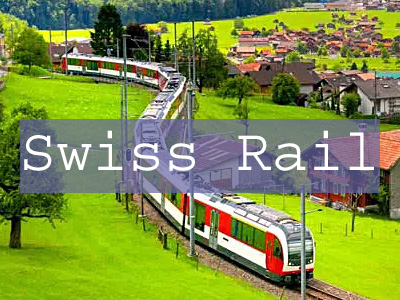
The rail network in Switzerland has so many Swiss Rail Express Trains that a separate web page is needed to explain them all. Be aware that the term "Express Train" in Switzerland usually refers to special trains with large windows that cater to tourists. These express trains are typically slow, as they concentrate on providing views for tourists instead of speed for commuters. The Glacier Express proudly claims to be the slowest train in the world, with an average speed of 18 mph on its 8 hour journey.
Visit Switzerland - Regional Passes
Now that you might think things are starting to make sense, it's time to complicate matters with Regional Passes. The regional pass can be a better option than a Swiss Travel Pass if you are staying several days or a week at the same location. Some of the more popular ones are:
The Lucerne Travel Pass (formerly call Tell Pass) - Central Switzerland
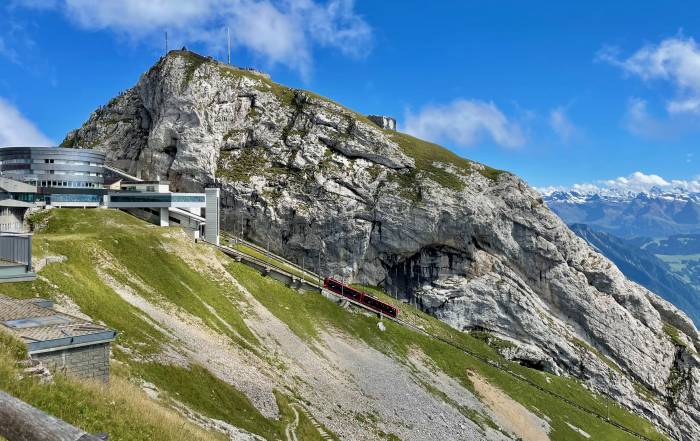
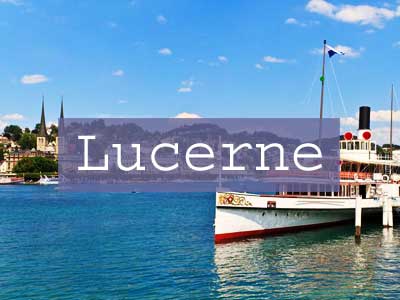
Lucerne Travel Pass - The Lucerne Travel Pass covers all the trains, boats, buses and gondolas in Central Switzerland. Yes, unlike the Swiss Travel Pass, regional passes cover the entire cost of gondolas. You can visit Lucerne, ride all the boats on Lake Lucerne, or ascend Mt Pilatus, Mt Rigi and Mt Titlis. Even with a 10 day pass you won't be able to cover all there is to do. You can also buy the Tell Pass from SBB on a computer if you use their search function. Once you buy the pass, it will show up in the SBB app on your phone.
Berner Oberland Regional Pass
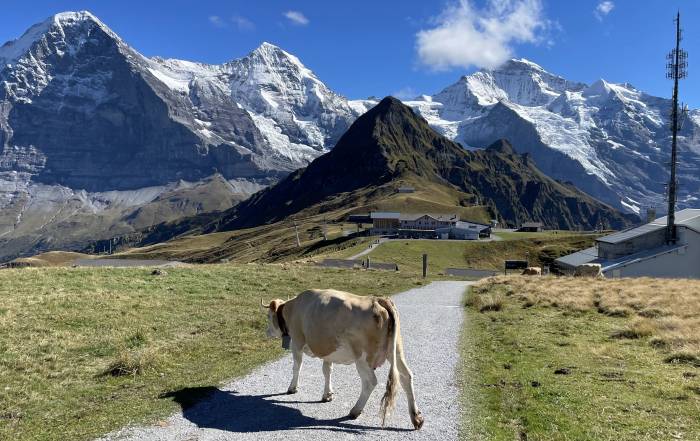
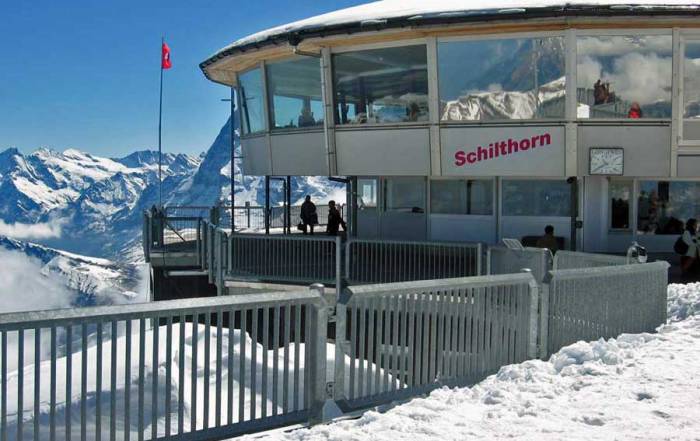
Berner Oberland Regional Pass - The Berner Oberland Pass covers all the trains, boats, buses and gondolas around Bern / Brig / Interlaken, including the popular Jungfrau area. The Shilthorn is half price and the Jungfraujoch has special pricing, but all other gondolas and cable cars in the region are included without any surcharge. Like the Tell Pass, the Berner Oberland Regional Pass is so extensive that you can't come close to covering everything, even if you buy the 10 day pass.
Ready for the strange twist on this pass? The Berner Oberland Pass provides a discount for holders of a Swiss Travel Pass. On an 8 day pass, they allow a discount of 130 Swiss Francs if you have a Swiss Half Fare Card worth 120 Swiss francs. You profit 10 francs and get a travel pass good in the rest of Switzerland, which is useful for travel to an airport like Basel or Zurich.
Jungfrau Pass - The Jungfrau Pass is a subset of the Berner Oberland Regional Pass. The Jungfrau Pass covers all the trains and cable cars in the Jungfrau area around Interlaken, except for the Schilthorn. The pass gives you one discounted trip up the Jungfraujoch and unlimited use everywhere else. The Jungfrau Pass also includes travel by boat on Lake Brienz and Lake Thun.
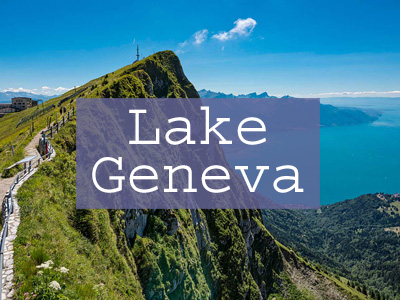
Geneva - Alps Regional Pass
- Rail between Geneva Airport, Geneva, Lausanne and Montreux
- Rail travel on the scenic GoldenPass Line as far as Zweisimmen
- Rail travel to towns such as Villars and Gruyères
- Cruises aboard the boats on Lake Geneva, including trips over to French resorts
- Local city bus travel and PostBus travel in the wider region
- Train from Montreux to Les Rochers-de-Naye
- Train from Montreux to Les Avants and funicular to Sonloup
- At Vevey between Montreux and Lausanne, ride the Funicular to Mont Pèlerin or the Star Train to Les Pléiades
- Train to Territet and funicular to Glion
- Train to Champery
Local Tourist Passes
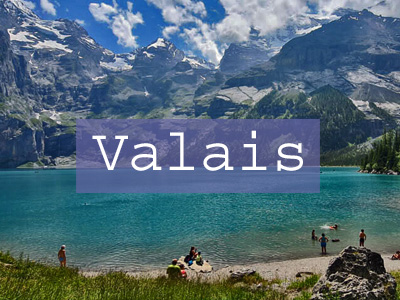
You will find many different local tourist passes throughout Switzerland. Buy a Zurich Card which covers buses, trams, boat rides and museums in the city. In the upper Rhone valley of the canton of Valais, you can buy a Erlebnis Card Regional Pass that offers free transit and 50% discounts on many gondolas and cog train attractions like the Gornergrat Cog Train.
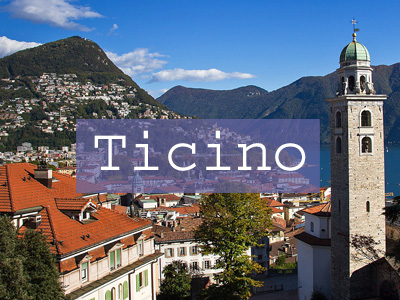
Many areas offer tourist passes exclusively to visitors who stay in local accommodation. If you stay in the Appenzell area for 3 nights, the Appenzeller Card gives you free transit, 3 different gondola rides for free and some museums too. If you stay in the canton of Ticino for one night, you are eligible for a Ticino Ticket. The Ticino Ticket offers free transit plus minor discounts on boats and gondolas.
Be sure to check carefully for savings opportunities wherever your visit might take you in Switzerland.
Driving in Switzerland
Driving in Switzerland doesn't make much sense if you are a visitor. The buses, trains and boats are fully integrated. With a Berner Oberland Pass or a Tell Pass you also get unlimited access to gondolas and cog trains. These discounts make the Swiss transportation more convenient and less expensive than driving a car.
The one advantage of driving in Switzerland would be to travel the mountain passes. A great roundtrip circuit to take is the loop through the Susten Pass, Gotthard Pass, Furka Pass and Grimsel Pass. You can start at Innertkirchen east of Interlaken or from Goschenen south of Lake Lucerne. Add on the Klausen Pass out of Altdorf too, but it's a one way extension off the circuit.
Car Trains in Switzerland
Switzerland offers several car trains, where you drive your own car on to a flat bed rail car. You then stay in your car as it travels through a tunnel to avoid a mountain pass. One of the best know is the Lötschberg car train between the Kandersteg and Goppenstein, which connects the Berner Oberland with Valais. Car trains also can be used to avoid the Furka Pass, the Oberalp Pass, the Flüela Pass (Verreina Tunnel) and the Simplon Pass to Italy. Car trains in Switzerland are very popular in winter when the roads through these passes are typically closed by snow, but the tunnels remain open.
Switzerland Currency
The Euro isn't used in Switzerland, so be prepared to buy the Swiss Franc (CHF) if you need cash. Switzerland accepts credit cards everywhere, so the only place you might need cash is for storage lockers at remote train stations.
Electrical Adapters for Switzerland
Switzerland uses a three prong Type J electrical adapter, but the standard European Type C electrical adapter will work there too.